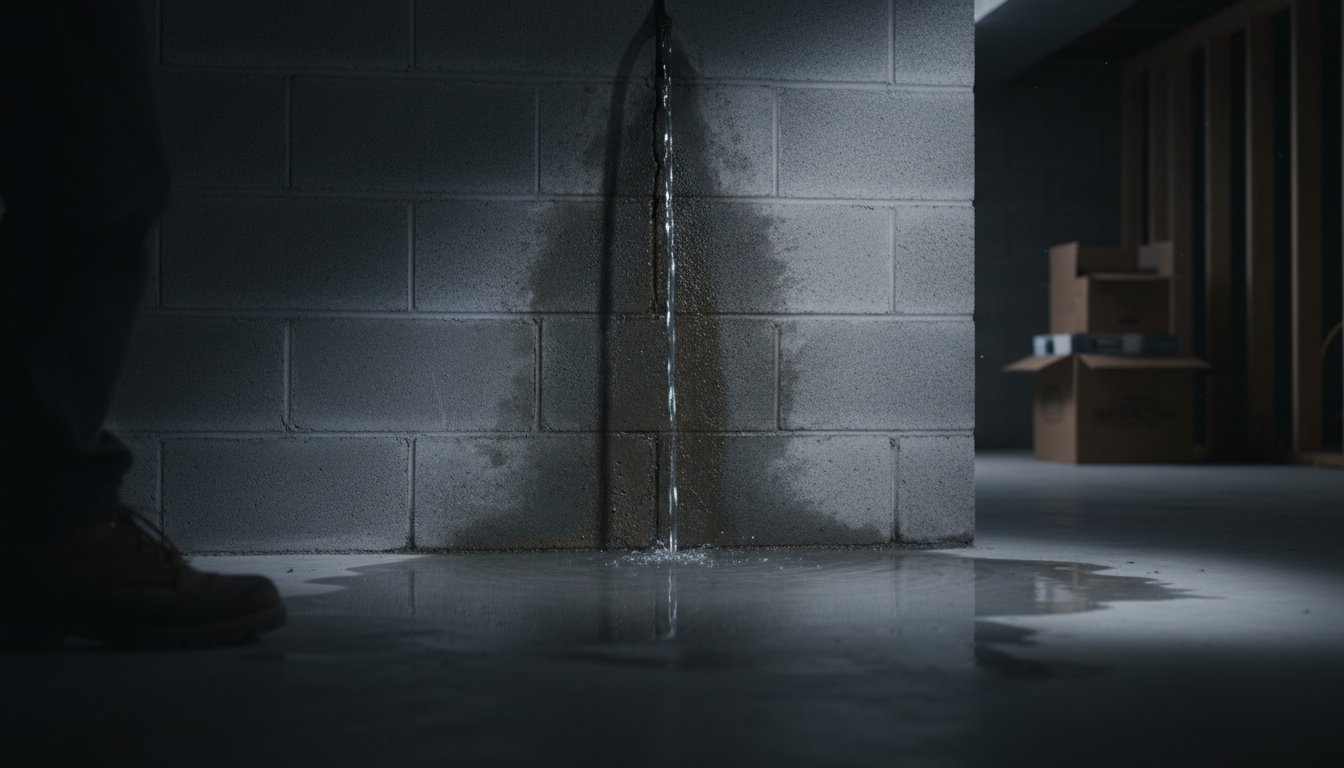
That sinking feeling when you walk downstairs to a musty smell or a dark, damp spot on the wall is a nightmare for any homeowner. Your mind immediately races: Is this a minor leak or a sign of a serious foundation issue? The anxiety over potential property damage, mold growth, and the true cost of a wet basement repair can be overwhelming. This uncertainty is one of the most stressful parts of protecting your home, leaving you feeling unsure of where to even begin.
We’re here to replace that stress with confidence. As your trusted local partner, we believe in empowering you with clear, honest information. This guide is your first step toward a permanent solution. We will break down the exact causes of basement water intrusion and explain the durable, professional repair options that will safeguard your home for the long term. You’ll gain the clarity needed to protect your most valuable asset and ensure a healthy, safe living environment for your family.
First Signs of Trouble: How to Identify a Wet Basement Problem
Most homeowners think a wet basement means wading through inches of water. While a flood is a clear sign of a crisis, the most serious moisture problems often begin with subtle clues that are easy to ignore. Overlooking these early warnings allows minor issues to escalate into major structural damage, mold infestations, and costly repairs. Protecting your home’s value and your family’s health starts with knowing what to look for. Acting on these signs promptly is the first and most critical step toward a permanent wet basement repair solution, safeguarding your most valuable asset before a nightmare scenario unfolds.
The Obvious Clues: Water and Dampness
These are the most direct indicators that water is getting in. Don’t dismiss them as a one-time issue; they point to a vulnerability in your foundation that will only worsen over time. Keep an eye out for:
- Standing Water: Puddles of any size on the basement floor, especially after heavy rain or snowmelt.
- Damp Patches: Dark, discolored spots on concrete walls or floors that feel wet to the touch.
- Active Trickles: Water visibly seeping or running out of cracks in the foundation walls.
- Leaks Around Openings: Moisture intrusion around basement windows or where utility pipes and lines enter the home.
The Sensory Warnings: Smells and Feelings
Sometimes, you can sense a moisture problem before you can see it. Your senses provide powerful clues that the environment in your basement is unhealthy and requires attention. Pay attention if you notice:
- Musty Odors: A persistent earthy or moldy smell is a tell-tale sign of mildew and mold growth, even if it’s hidden behind walls.
- Humid Air: A heavy, damp, or muggy feeling in the air that makes the basement feel stuffy and uncomfortable.
- Cool Temperatures: A basement that feels noticeably colder than the rest of the house can be a sign of excess moisture evaporating from surfaces.
The Visual Damage Indicators
Water leaves a trail of destruction long after it has evaporated. These visual cues are evidence of past or ongoing water intrusion that is actively damaging your home’s structure and finishes.
- Efflorescence: A white, chalky, or crystalline substance on concrete or masonry walls. This is left behind as water seeps through the material and evaporates, a clear sign that effective Basement waterproofing techniques are needed to stop the intrusion.
- Paint and Wall Damage: Flaking, bubbling, or peeling paint on basement walls indicates moisture is pushing it off from behind.
- Stains and Watermarks: Discoloration on drywall, wood support beams, insulation, or items stored in the basement.
- Wood Rot: Soft, crumbling, or decaying wood in sill plates (where the house frame meets the foundation), support posts, or floor joists. This is a serious structural threat.
Uncovering the Culprit: The 4 Main Causes of a Wet Basement
Water is a relentless force of nature. It will always find the path of least resistance into your home, turning your basement from a valuable living space into a damp, musty nightmare. To safeguard your property and find a permanent solution, the first step is to correctly identify the source of the problem. A successful wet basement repair strategy depends entirely on a proper diagnosis. Most issues can be traced back to one of four main culprits.
Surface Water Runoff: The Most Common Issue
Often, the problem isn’t your foundation itself, but the water pooling against it. When rainwater or melting snow isn’t directed away from your home, it saturates the soil around your foundation and eventually finds its way inside. Key offenders include:
- Improper Grading: The ground around your home should slope away from the foundation. If it’s flat or slopes inward, it acts like a funnel, directing water right to your basement walls.
- Faulty Gutters & Downspouts: Clogged gutters or downspouts that dump water right next to the foundation are a primary cause of water intrusion.
- Hardscaping Problems: Patios, driveways, or walkways that have settled and now channel water toward your house create a direct path for moisture.
Hydrostatic Pressure: Water Pushing from the Ground
After heavy rain, the soil around and under your foundation can become completely saturated. This creates immense hydrostatic pressure-the weight of the water in the soil-that pushes against your basement walls and floor. This immense pressure is one of the most powerful causes of basement moisture and can force water through even the tiniest pores in concrete. It is the primary reason for leaks at the cove joint, where the floor and walls meet.
Foundation Cracks and Gaps
While concrete is strong, it’s not impenetrable. Over time, your home’s foundation can develop vulnerabilities that become open invitations for water. This is a serious issue that requires professional wet basement repair. Look for common entry points like settling cracks in foundation walls or floors, gaps around plumbing pipes and utility lines where they enter the home, and leaking or poorly drained basement window wells that collect water and allow it to seep inside.
If you suspect a leak is coming directly from a water or sewer line passing through your foundation, it’s wise to consult a plumbing expert in addition to a waterproofing specialist. A professional plumber can diagnose issues within the pipes themselves; for an example of the services to look for, you can learn more about Division One Plumbing.
Interior Moisture Sources (Condensation)
Sometimes, the water in your basement doesn’t come from the outside at all. Condensation occurs when warm, moist air inside your home comes into contact with cool basement walls or pipes, causing water droplets to form. This is often mistaken for a leak but is an air moisture issue. It’s frequently caused by unvented clothes dryers, humidifiers running on high, or poor air circulation, leading to that classic damp feeling and musty smell.
Proven Wet Basement Repair Methods That Actually Work
Once you’ve pinpointed the source of water in your basement, the next crucial step is choosing a permanent solution. Effective wet basement repair isn’t about a one-size-fits-all patch; it’s about implementing a durable, professional system designed to address the specific way water is entering your home. Below, we explore the most reliable methods to safeguard your foundation, protect your investment, and give you lasting peace of mind.
Exterior Waterproofing and Drainage Solutions
Often, your first line of defense is managing the water outside your home before it ever reaches the foundation. Many water problems are caused by surface water mismanagement, one of the most common causes of a wet basement. Key exterior solutions include:
- Grading and Downspouts: Ensuring the soil around your foundation slopes away from the house and that downspouts discharge water at least 10 feet away.
- Exterior French Drains: A trench system installed around the foundation perimeter to capture and redirect surface and shallow groundwater.
- Waterproof Membranes: A durable, waterproof coating applied directly to the exterior of foundation walls during construction or via excavation to create a seamless barrier.
Foundation Crack Injection and Sealing
If water is seeping through a specific crack in a poured concrete wall, a targeted repair is the most efficient solution. Using high-pressure injection, we fill the crack with professional-grade epoxy or polyurethane foam. This material expands to permanently seal the crack from the inside out, creating a durable, waterproof bond that stops the leak at its source and protects your home from further intrusion.
Interior Drainage Systems: The Ultimate Protection
For comprehensive and lasting protection against groundwater, an interior drainage system is the industry’s most trusted solution. This powerful system works beneath your floor, so it’s out of sight but always on guard. It collects any water that seeps through foundation walls or floor joints and channels it to a sump pump, which then automatically pumps the water out and safely away from your home. This method of wet basement repair manages water intrusion reliably, ensuring your basement stays dry in any weather.
Supporting Solutions for a Fully Dry Basement
To achieve a completely dry and healthy environment, we often complement a primary waterproofing system with supporting measures. A durable vapor barrier on the walls can stop moisture seepage and direct it into your drainage system, while a high-efficiency basement dehumidifier controls airborne moisture and prevents musty odors. The right combination of these solutions ensures a permanently dry lower level. To discover the perfect strategy for your property, get a free inspection to find the right solution for your home.

Why DIY Repairs Fail and When to Call a Professional
When you discover water in your basement, the temptation to find a quick, inexpensive fix is understandable. Many homeowners head to the hardware store for a bucket of waterproof paint or hydraulic cement, hoping for a simple solution. Unfortunately, these short-term patches often mask deeper issues, leading to wasted money, lost time, and potentially more significant damage to your home’s foundation.
A successful wet basement repair requires identifying and addressing the root cause of the water intrusion, not just covering up the symptoms. True waterproofing is a comprehensive system designed to manage water, while simple damp-proofing is merely a surface-level coating that is bound to fail.
The Truth About Waterproofing Paint
While it may seem like a logical first step, so-called “waterproofing” paint is one of the most common DIY failures. This thick coating creates a surface barrier that traps moisture inside your concrete walls. This trapped water can accelerate the deterioration of the concrete and is no match for hydrostatic pressure-the force of groundwater pushing against your foundation. Eventually, this pressure will cause the paint to bubble, peel, and fail, leaving you right back where you started.
Risks of Improper DIY Repairs
Attempting a complex repair without professional expertise can do more harm than good. A small crack you patch could be a symptom of foundation settlement, a serious structural issue that needs to be properly assessed. An improperly installed drain could even redirect water to another part of your foundation, creating a new, bigger problem. These failed attempts don’t just cost you money for materials; they delay the correct, permanent solution needed to truly safeguard your home.
Signs You Need an Expert Immediately
Some symptoms are clear indicators that a DIY approach is not enough. If you notice any of the following, it’s crucial to contact a professional for a thorough inspection to prevent further damage:
- Horizontal cracks or bowing walls: These are serious red flags for structural foundation failure caused by immense external pressure.
- Water at the cove joint: If water is seeping in from where the floor meets the wall, this signals significant hydrostatic pressure that surface seals cannot stop.
- A persistent musty smell: Even without visible water, a damp, musty odor indicates a moisture problem that could be fueling mold and mildew growth.
- Recurring leaks: If you’ve tried patching an area and the water keeps returning, it’s a clear sign the underlying issue has not been solved.
Protecting your most valuable asset requires a durable, long-term solution. If you’re facing any of these challenges, don’t wait for the problem to get worse. Get the peace of mind that comes from a professional assessment and a permanent wet basement repair. For a free, no-obligation inspection, contact your trusted local experts today.
Your Path to a Dry, Secure Basement Starts Now
Understanding the early warning signs of water damage and identifying its true source are the most critical steps toward a healthy home. While quick fixes may seem tempting, they often fail to address the underlying issue, leading to more significant problems down the road. For a lasting solution, professional wet basement repair is not just a service-it’s an investment in your home’s safety and value.
As your trusted, family-owned and operated local partner, Delaware Valley Basements brings over 25 years of experience to every project. We safeguard your home and provide true peace of mind with our industry-leading Lifetime Transferable Warranty. Don’t wait for a small leak to become a major nightmare that compromises your property’s integrity.
Protect your most valuable asset. Schedule your free, no-obligation inspection today!
Frequently Asked Questions About Wet Basement Repair
How much does professional wet basement repair typically cost?
The cost of professional wet basement repair depends entirely on the specific issues threatening your home. Factors include your basement’s size, the water’s entry point, and the required solution-from simple crack sealing to a full perimeter drainage system. We provide a detailed, transparent estimate after a thorough inspection. Think of this not as a cost, but as a crucial, one-time investment in safeguarding your property’s long-term value and structural integrity.
How long does a typical basement waterproofing job take to complete?
Most comprehensive basement waterproofing projects, including the installation of an interior drainage system and sump pump, are completed by our expert crews in just one to three days. Simpler repairs can often be finished in a few hours. Our team works with professional efficiency to secure your home and restore your peace of mind with the least possible disruption to your family’s routine, ensuring a clean and secure final result.
Will fixing my wet basement increase my home’s value?
Absolutely. A dry, protected basement is a powerful asset that significantly boosts your home’s market value. It not only safeguards your foundation from irreversible damage but also adds valuable, usable square footage. For potential buyers, a wet basement is a serious red flag. Investing in a professional solution, backed by our Lifetime Transferable Warranty, provides a substantial return by making your home safer, healthier, and far more attractive on the market.
Is the musty smell in my basement a sign of dangerous mold?
That persistent musty odor is a direct result of moisture and a clear warning sign that mold or mildew is growing. While not all mold is toxic, any type of growth can negatively impact your home’s air quality and present potential health risks for your family. Don’t ignore this symptom. The only correct solution is to address the underlying water problem permanently, creating a healthy and safe living environment for everyone in your home.
Once the repair is done, will the water problem ever come back?
When our team of experienced professionals installs a waterproofing system, it is engineered to be a permanent solution. We don’t believe in temporary patches for such serious issues. Our systems are designed to protect your home for good, which is why we confidently stand behind our work with a Lifetime Transferable Warranty. You get lasting protection and the complete peace of mind that comes from knowing your home is finally secure.
What is the difference between a French drain and a sump pump?
They are two critical parts of a single, powerful system designed to protect your home. A French drain (or interior perimeter drain) is the channel that collects water as it seeps in at the base of your foundation walls. The sump pump is the heart of the operation; it’s a high-quality pump that sits in a basin, actively ejecting all the collected water out of the basement and safely away from your home.
Leave a Reply